


Welcome to the Applied Research, Innovation and Economic Development (ARIED) Directorate.
Our role is to transform research at UDST into practical solutions that deliver economic, societal, and environmental impact for Qatar. In alignment with Qatar National Vision 2030, we connect academia, industry, and government to ensure research outcomes directly support national priorities and sustainable development.
We deliver this mandate through a focused approach:
Align research with Qatar’s priority sectors and grand challenges
Build partnerships with industry, government, and global innovators
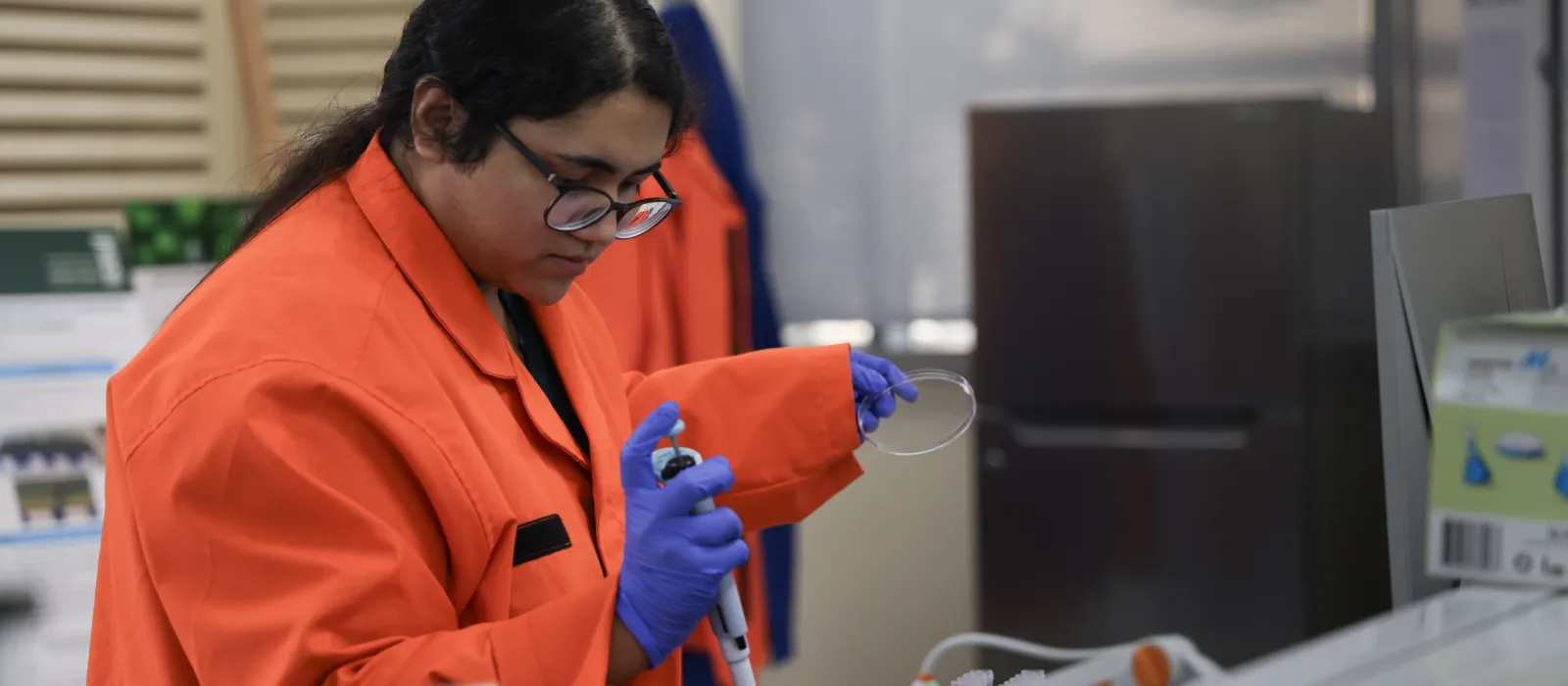
Engage students in hands-on, solution-driven applied research
Translate results into policy, practice, commercialization, and community impact
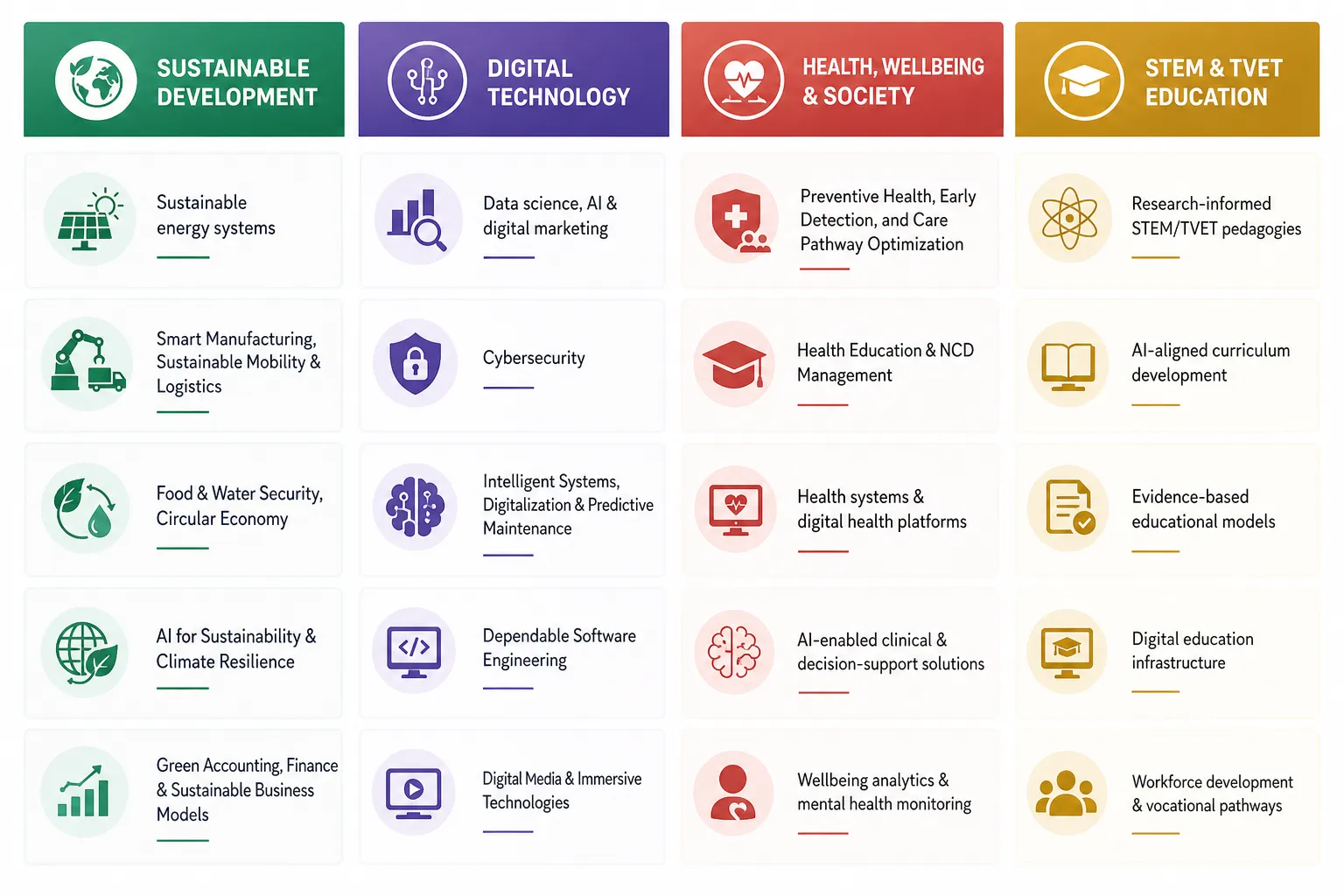
Our work is structured around four strategic pillars: Sustainable Development; Digital Technologies; Health, Wellbeing and Society; and STEM & TVET Education. Alongside this, ARIED supports the full research and innovation ecosystem, from securing and managing grants, to ensuring strong governance, research integrity, industry collaboration, and pathways for innovation and entrepreneurship.
Whether you are an industry partner seeking applied research solutions, a researcher pursuing impact, a student ready to tackle real-world challenges, or a policymaker looking for evidence-based insight, we invite you to connect with us.
Together, we turn research excellence into national impact.
Dr. Abdelghani Benayoune
Director, Applied Research, Innovation & Economic Development
About Us
Applied Research, Innovation, and Economic Development Directorate
"Supporting research and innovation by strengthening technical and vocational learning, policy, and practice."
- Liaises between UDST, industry and the State of Qatar to address Qatar’s National priorities.
- Identifies sources and secures research funding.
- Involves UDST students in applied research activities.
- Oversees pre-award and post-award stages for both external and internal grants.
- Increases UDST applied research profile at National and International levels.
- Ensures compliance with the highest standards of research integrity.
- Facilitates knowledge and technology transfer developed at UDST for student employability and success.

To lead applied research and innovation that deliver societal and economic impact and advance sustainable development.
- Align research with national priorities and key challenges
- Secure strategic partnerships and funding
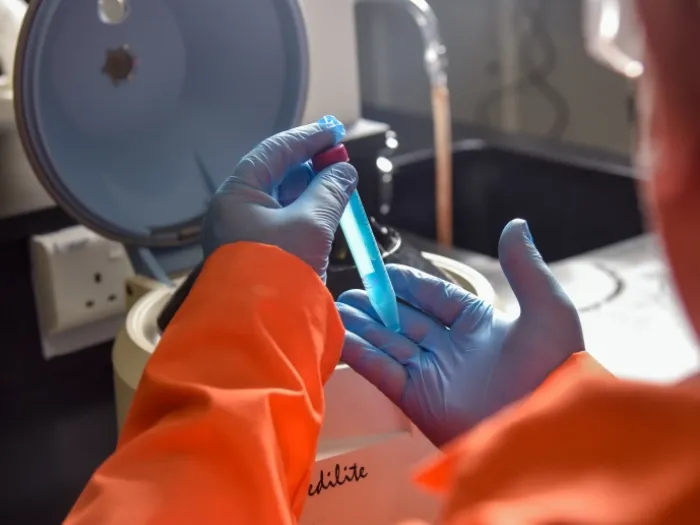
- Embed students in hands-on applied research
- Translate research outputs into policy, innovation, and measurable outcomes
Applied Research

The University will adopt inter/multidisciplinary and stakeholders cluster projects which:
- Involve the relevant stakeholders/end-users and include a broad scope of participants and expertise to tackle national and regional known or emerging problems and issues,
- Comprise several sub-projects, each one tackles one aspect of the research problem but work synergistically with others in a complementary manner
- Help leverage external funding for sustained collaborative efforts and facilitate faculty and student’s involvement in research activities, workshops and conferences
- Have a significant, well defined, achievable measurable outcome that justifies investment in the fund, expertise and time.
Pillars of Applied Research
Economic Development
The University of Doha for Science and Technology plays a vital role in supporting Qatar’s economic development by turning applied research into real-world impact. Through strong linkages with industry and government, the university contributes to innovation that addresses national challenges while enhancing productivity and competitiveness across sectors.
By promoting entrepreneurship, supporting small and medium enterprises through initiatives like the Business Gateway, and offering professional training aligned with labor market needs, UDST helps build a resilient, skilled workforce. These efforts align with Qatar National Vision 2030 by fostering a diversified, knowledge-based economy.
In collaboration with global and local partners, UDST’s research and innovation ecosystem supports economic transformation—equipping students, faculty, and industry leaders with the tools to develop sustainable, market-ready solutions that benefit both society and the economy.
Innovation and Entrepreneurship
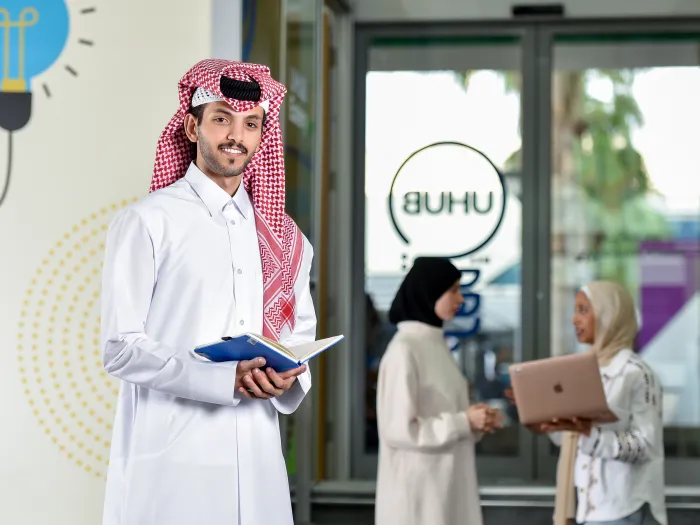
Power Your Ideas With UHUB
UHUB is a vibrant university business incubator that cultivates and accelerates entrepreneurial ventures.
We empower startups to thrive in both local and global markets by fostering creativity and providing comprehensive support.
Our offerings include expert guidance and mentorship, customized training, strategic networking opportunities, and access to vital resources such as funding and office space.
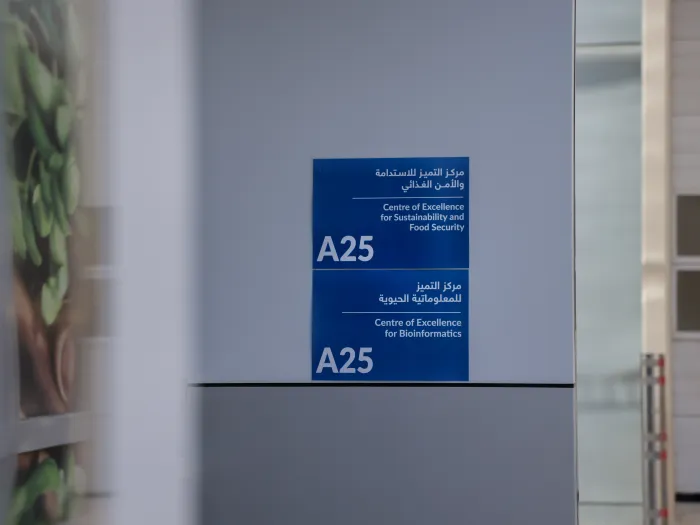
The Centre of Excellence at the University of Doha for Science and Technology (UDST) are dedicated to fostering innovation, applied research, and workforce development in alignment with Qatar National Vision 2030. These Centre serves as dynamic platforms where academia, industry, and government converge to solve real-world challenges, support economic growth, and promote national self-sufficiency.

Research News
View Latest Research News
Resources and Tools
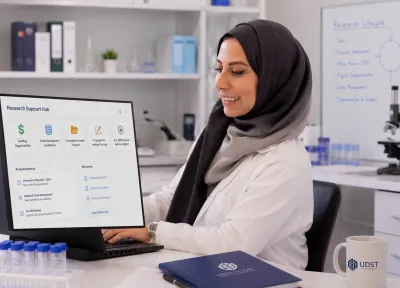
Access research resources and tools available to UDST faculty members and researchers, including funding opportunities, data management guidelines, previously awarded projects, proposal pre-vetting services, and pre-IRB proposal review support.
Conferences
The Centre of Excellence for Food Security and Sustainability at University of Doha for Science and Technology (UDST) in partnership with the Ministry of Environment and Climate Change and the Ministry of Municipality and a number of local and international partners, proudly hosted the International Conference on Water and Food Security in the Face of Climate Change: Challenges and Opportunities for Resilience (WFCC 2025). This global event was attended by H.E. Dr. Abdullah bin Abdulaziz bin Turki Al Subaie, Minister of Environment and Climate Change (MECC), Dr. Salem Al-Naemi, President of University of Doha for Science and Technology and high-level delegates, and brought together researchers and industry leaders to discuss innovative solutions for water and food security challenges posed by climate change aligned with the United Nations Sustainable Development Goals (UN-SDGs), including SDG2, Zero Hunger, SDG 6 Clean Water and Sanitation, and SDG 13 Climate Action.
The International Coastal Symposium (ICS) is currently celebrating its 17th edition and 34th anniversary. This meeting in particular will be making a historic milestone. For the very first time, the ICS will take place in the Middle East, with Doha, Qatar, as its distinguished host. Notably, Doha had the honor of hosting the FIFA World Cup in 2022, further highlighting its global appeal.
The ICS2024 will be hosted by the University of Doha for Science and Technology (UDST), which is recognized for its student-centered learning and state-of-the-art facilities. It is also home to the UNESCO Chair in TVET and Sustainable Development and host of Qatar’s UNESCO-UNEVOC Centre.

Under the esteemed patronage of Her Excellency Buthaina Bint Ali Al Jabr Al Nuaimi, Minister of Education and Higher Education, the International Symposium on Education and Skills for a Future-Ready Workforce: STEM and TVET for a Sustainable and Resilient Society will be held on April 24–25, 2024, from 8:00 AM to 3:00 PM at the University of Doha for Science and Technology (UDST).
In partnership with the Ministry of Education and Higher Education (MOEHE), the Gulf Cooperation Council (GCC), UNESCO, and the International Labour Organization (ILO), this symposium aims to advance dialogue and collaboration among government, education, and industry stakeholders to develop a future-ready workforce aligned with national and regional sustainability objectives. The event will address the critical role of STEM education and Technical and Vocational Education and Training (TVET) in preparing graduates for evolving labour market needs while promoting innovation, adaptability, and resilience.
ITAS 2023 is an international conference and exhibition that brings together researchers, students, industry leaders, policymakers, and government officials to advance the United Nations Sustainable Development Goals (UN-SDGs). The event highlights innovative strategies and solutions across key sectors such as food security, environment, water management, economy, renewable energy, and digital technologies for sustainable development. ITAS 2023 provides a platform to showcase national and international sustainability initiatives, foster global collaborations, explore future challenges and opportunities, and offer policy recommendations to build a sustainable society. The conference also features a youth competition to encourage innovation and sustainability among university students in Qatar.