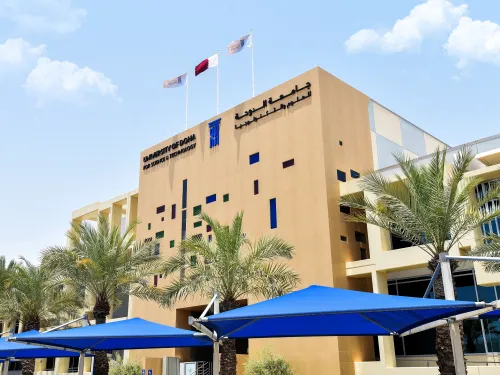

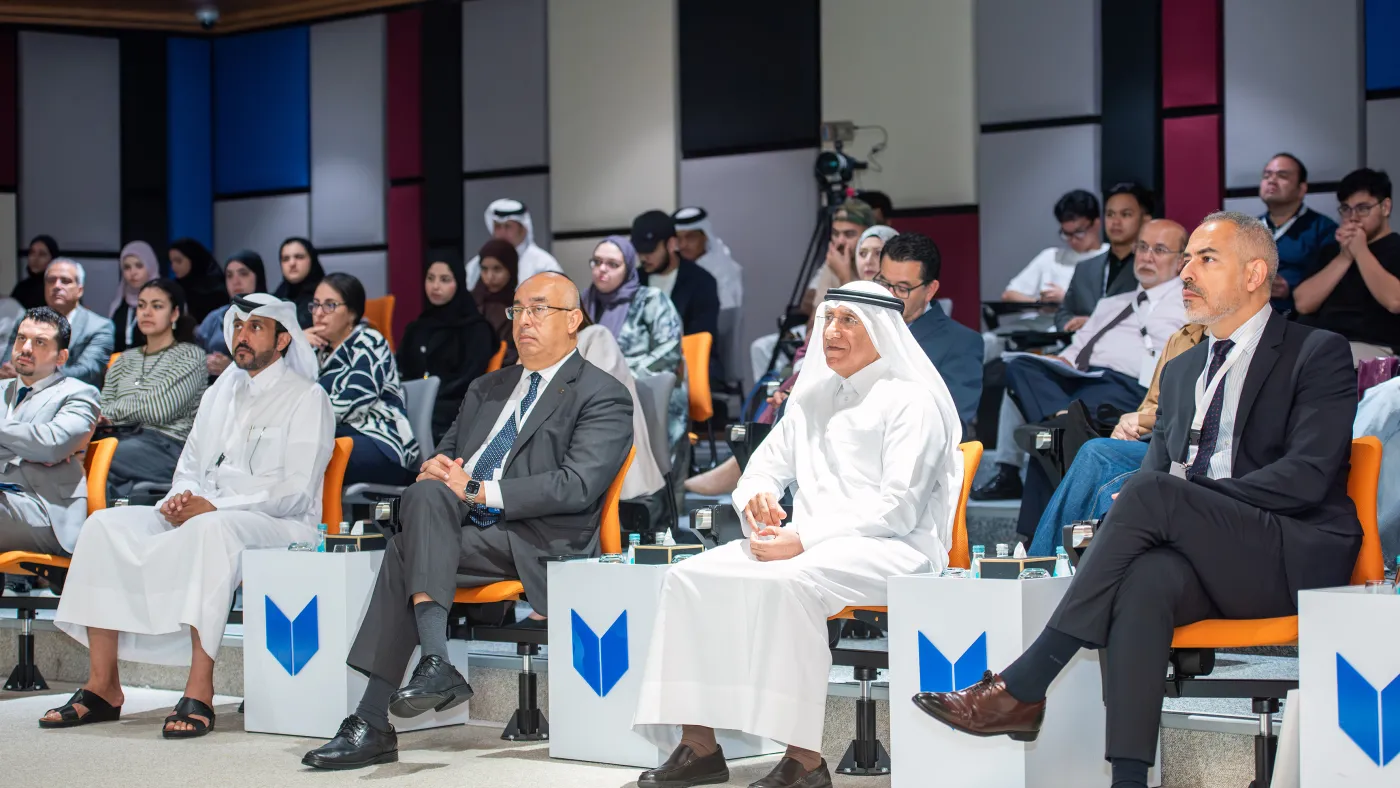
The University of Doha for Science and Technology (UDST) successfully hosted a full-day Sustainable Development Workshop as part of the Sustainability Nexus Initiative, a collaborative platform designed to advance environmental awareness, education, and action through meaningful engagement between academia and industry.
Held at UDST campus, the workshop brought together experts, industry professionals, faculty and students to explore key sustainability challenges and practical solutions through interactive discussions and knowledge-sharing opportunities.
The workshop formed one of the three pillars of the Sustainability Nexus Initiative, which was established to bridge academic knowledge with real-world industrial applications. The initiative supports environmental stewardship while fostering innovation, technical capacity building, and collaboration on sustainability-focused solutions. The workshop addressed a range of sustainability topics, including renewable energy, waste management, sustainable business practices, and environmentally responsible planning. Participants benefited from expert-led panel discussions, hands-on learning opportunities, and a student exhibition showcasing innovative projects and research aimed at addressing environmental challenges.
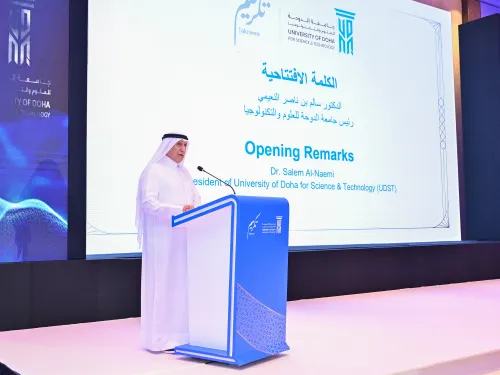
Commenting on the initiative, Dr. Salem Al-Naemi, President of the University of Doha for Science and Technology, said: "Sustainability is a shared responsibility that requires collaboration across sectors and disciplines. Through the Sustainability Nexus Initiative, we are creating valuable opportunities for students, academics, and industry professionals to exchange ideas, develop practical solutions, and contribute to Qatar’s sustainability ambitions. This workshop reflects our commitment to applied learning and our role in preparing future leaders capable of addressing environmental challenges through innovation and collaboration."
The workshop attracted participants from leading organizations across the public and private sectors, creating a platform for meaningful dialogue and stronger partnerships in support of sustainable development goals. The event also reinforced the role of higher education and industry collaboration in advancing national priorities related to environmental responsibility, innovation, and capacity building.
Aligned with the National Development Strategy and Qatar National Vision 2030, the workshop supported efforts to promote sustainable resource management, strengthen knowledge-based capabilities, and advance partnerships that contribute to long-term environmental and economic sustainability. It also highlighted the importance of collective action in advancing the United Nations Sustainable Development Goals, including clean energy, sustainable cities, responsible consumption, climate action, and partnerships for sustainable development.